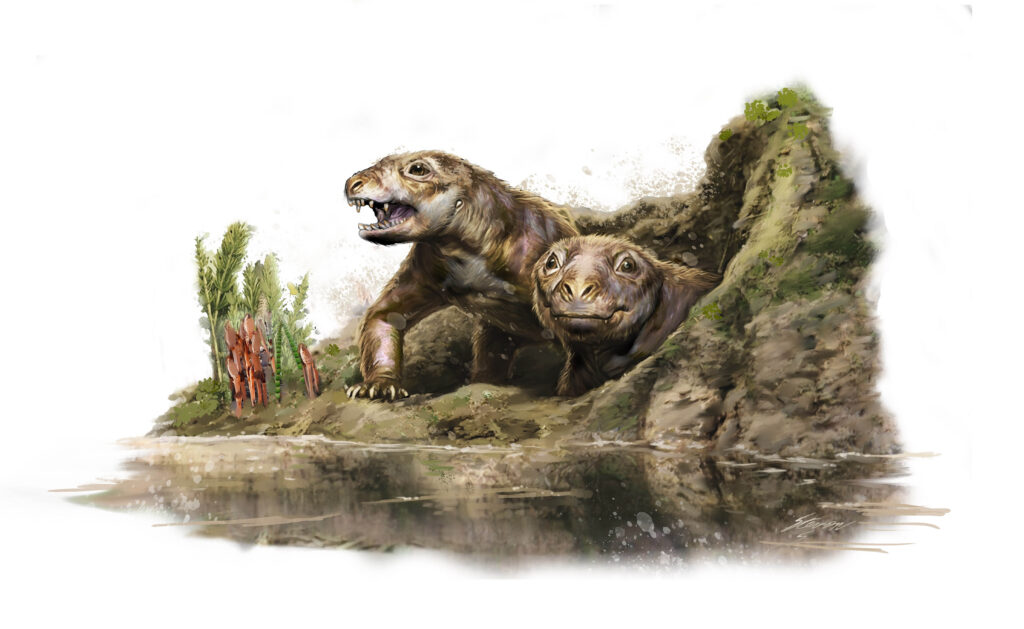
Giant Early Devonian plants
Share:


Celebrating the Devonian Ecosystems Project’s latest scientific publication, “Giant Lochkovian cooksonioids from circumpolar Gondwanan strata of South Africa” by Rob Gess (Albany Museum) with Cyrille Prestianni and Eliott Capel of the University of Liège (Belgium).

At the beginning of the Devonian Period, about 420 million years ago, land plants were just getting established in damp areas around rivers and lakes. This was more than 50 million years before the time of Makhanda’s famous Waterloo Farm site. Generally, these plants were very small, consisting of leafless branching stalks, only a few centimetres to about 10 centimetres high. They were topped by tiny spore containers shaped like lidded trumpets, castanets, zeppelins and balls. Their simple structure apparently limited the size they could attain. This was thought to be why they went extinct in the face of the somewhat larger plants that replaced them.
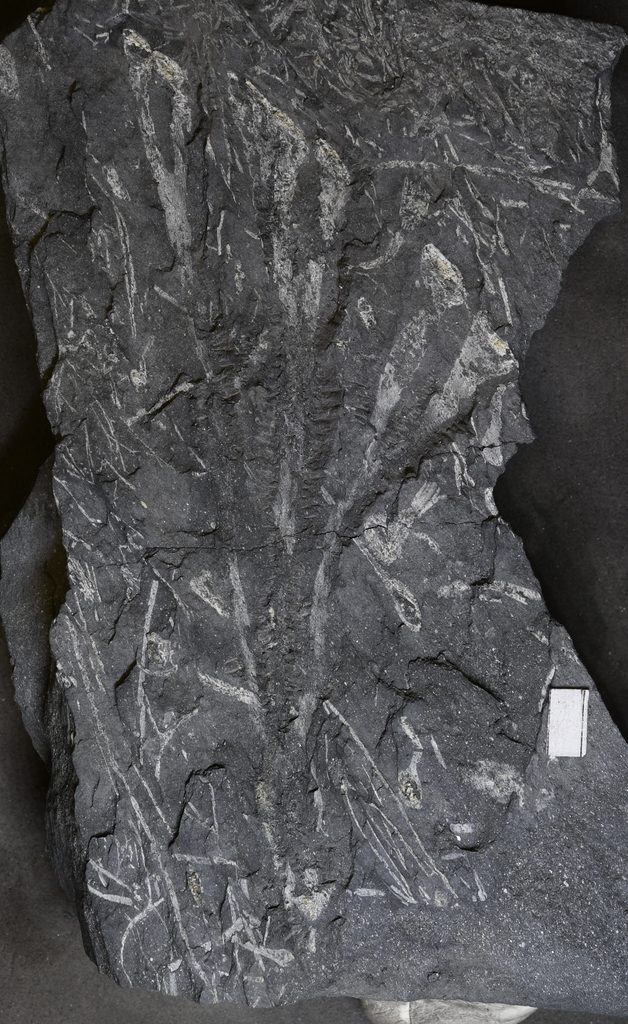
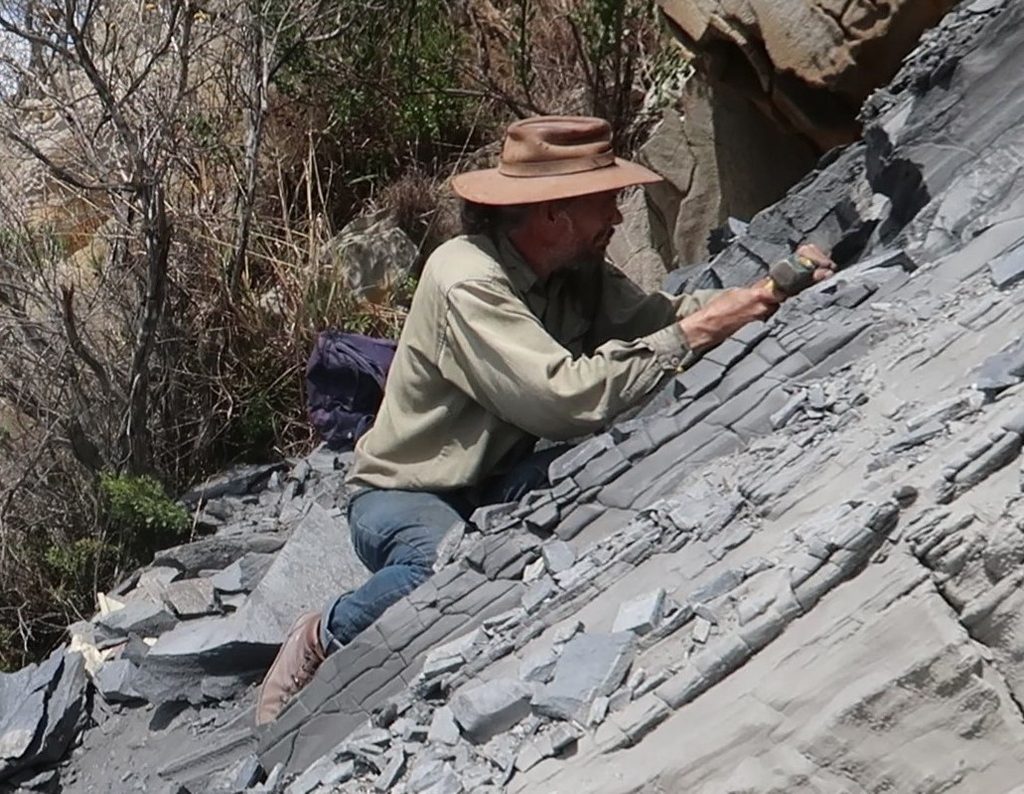
Specimens excavated by Dr Rob Gess from south of Humansdorp, however, reveal remains of notably larger plants of this type. This challenges preconceptions of the upper size limit possible for these simple plants, as well as why they went extinct. They were as large as those that would replace them. Just published, Vuvuzela makhulu and Tympania merionii are the world’s largest ‘cooksonoids,’ and add to the diversity of the South African Impofu flora. The flora, in general, is already the world’s most diverse, with 15 different taxa having previously been identified and published, including three others new to science. It is significant that at the time, what is now the Eastern Cape was in the south polar region. Other known floras (less diverse and comprised of smaller plants) were from sediments deposited in the tropics. At a time when the world was a lot hotter than today, it is possible that polar, not tropical, regions were most amenable to the emergence of plants onto land.
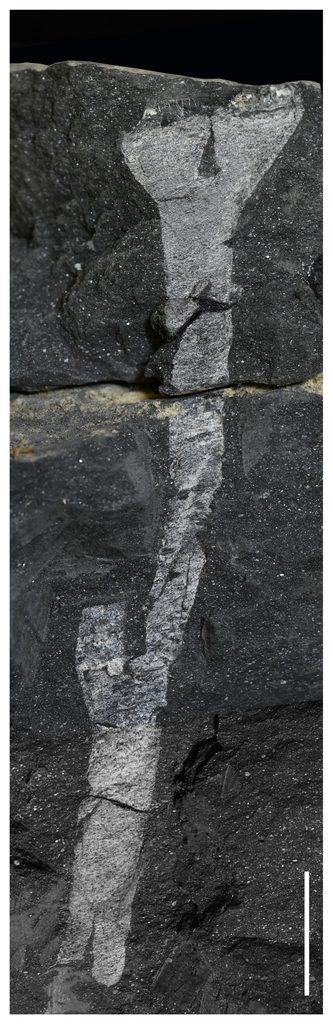
Gess, R.W., Prestianni, C. and Capel, E. (2026) Giant Lochkovian cooksonioids from circumpolar Gondwanan.Papers in Palaeontology, Vol. 12, Part 6, 2026, e70136
Research was funded by the Millennium Trust and GENUS (the DSTI-NRF Centre of Excellence in Palaeosciences).