A new dinosaur from South Africa offers clues to how giant plant-eating dinosaurs evolved
Share:


A newly described dinosaur from South Africa is giving scientists new clues. It shows how some plant-eating dinosaurs evolved their enormous body sizes.
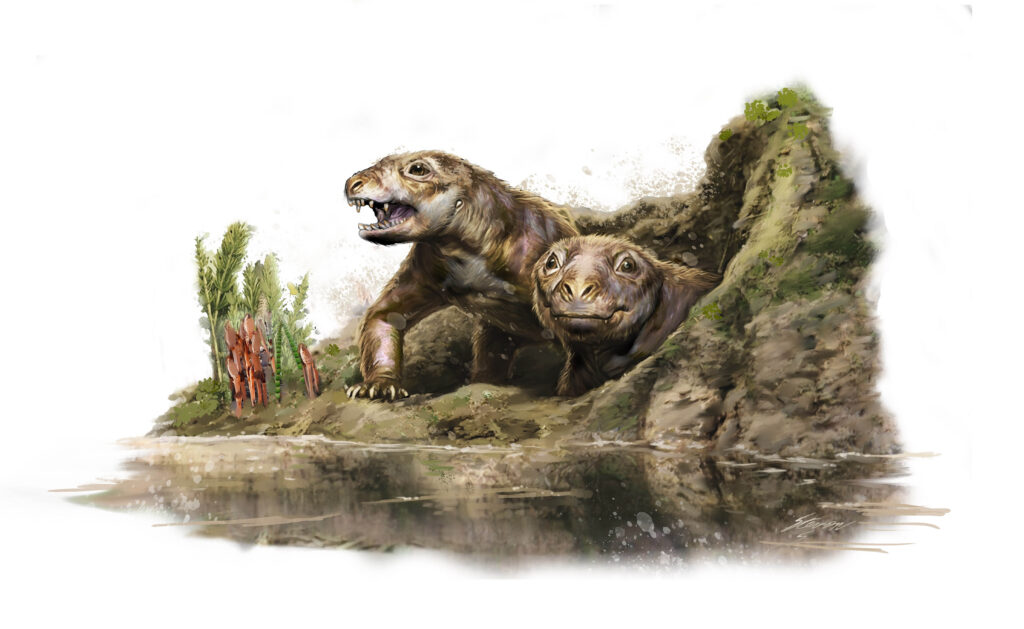
Named Nyana rooiwalensis, the dinosaur lived around 210 million years ago. It was discovered near the rural village of Qhemegha in the Eastern Cape. The individual weighed an estimated 400 kilograms. Researchers found it was still young when it died, at about three years old. The discovery is described in a new paper led by Atashni Moopen. Her co-authors are Jennifer Botha, Roger Benson, Kimberley E. J. Chapelle, Paul M. Barrett, Kathleen Dollman and Jonah N. Choiniere.
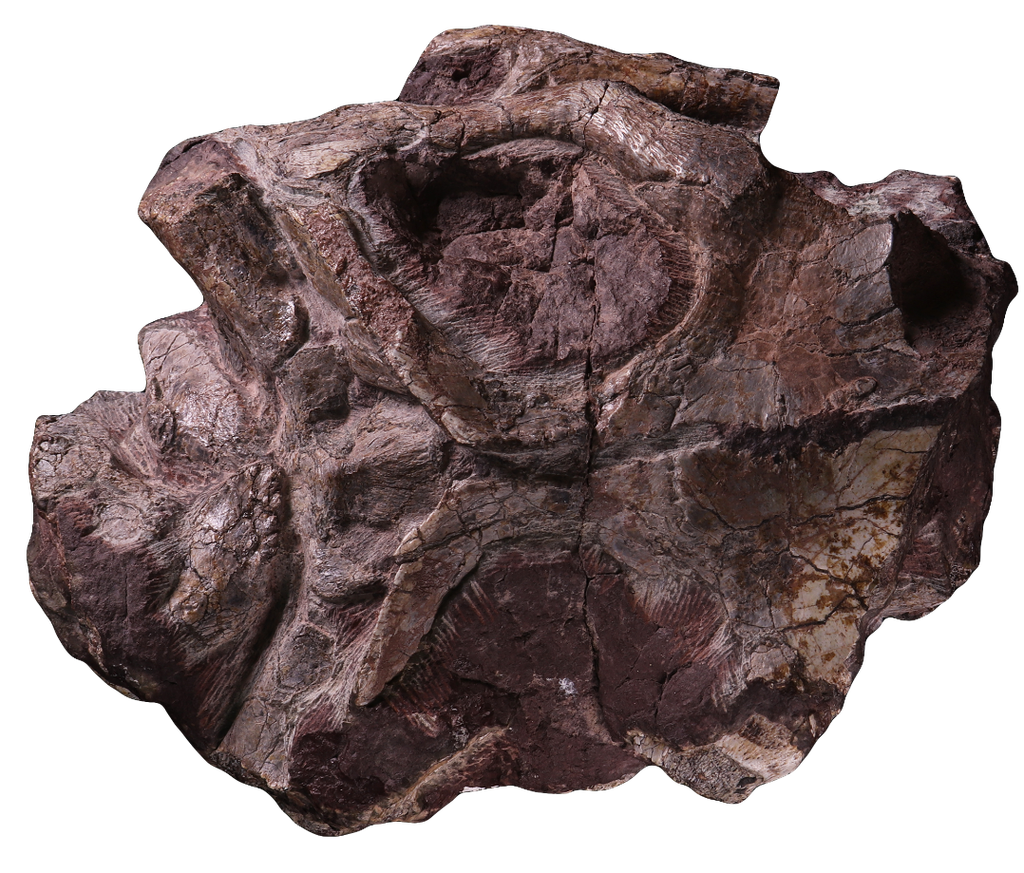
Top view of the skull of Nyana rooiwalensis
Nyana rooiwalensis is significant because of its well-preserved skull. The fossil preserves several important anatomical structures. These include the braincase, palate, hyoid apparatus and parts of the scleral rings. The dinosaur’s young age and large body size together give researchers a rare opportunity. They can now better understand how early plant-eating dinosaurs grew. This includes how some members of the group later evolved gigantic body sizes.
The discovery itself is also remarkable. Researchers found the skull lying on the ground inside a nodule. Although the nodule looked unassuming, it preserved intricate structures. These gave researchers a wealth of information about the dinosaur’s anatomy.
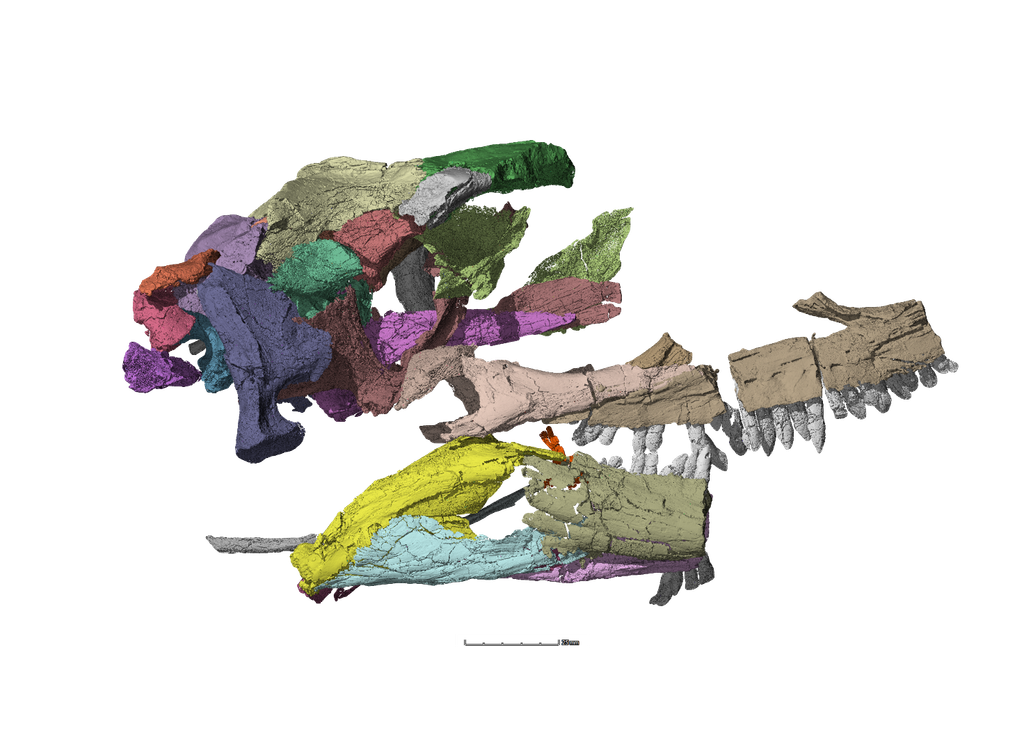
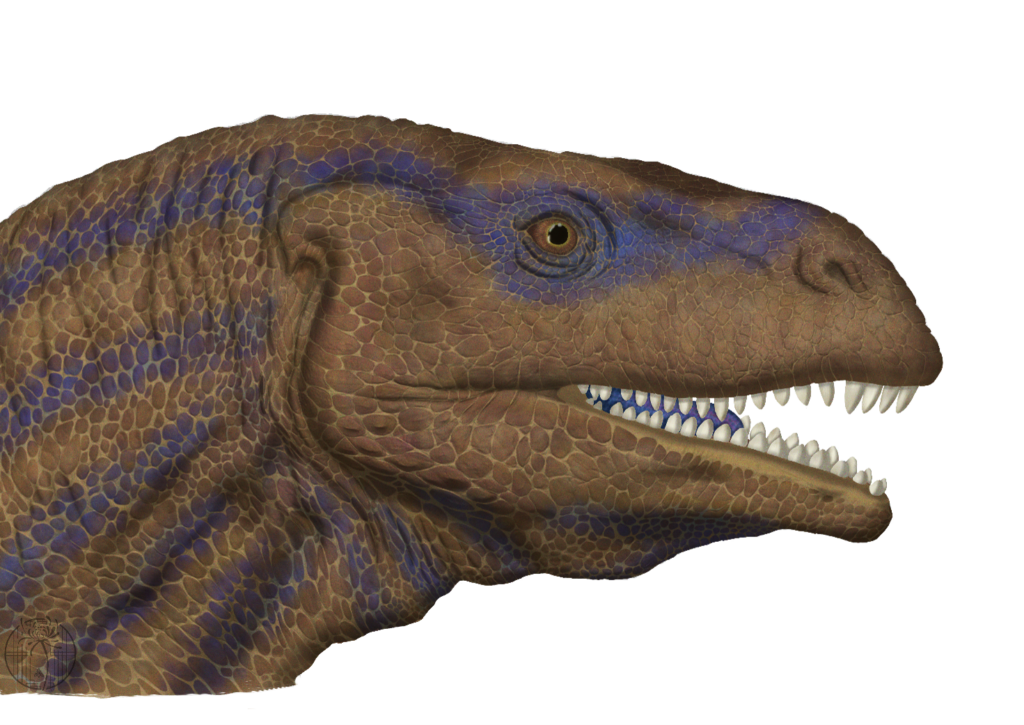
Side view of the reconstructed skull of Nyana rooiwalensis
The name Nyana means “son” in isiXhosa, or refers to a child. In Sesotho, it means “small” or “little”. Both meanings reflect the animal’s young age despite its large size. The species name rooiwalensis refers to Rooiwal. This is the local area where the fossil site is located. Nyana rooiwalensis adds to the diversity of South Africa’s dinosaur fossil record. It also preserves one of the best-known dinosaur skulls from this period.
Nyana rooiwalensis shows how one well-preserved fossil can shift our understanding of dinosaur biology. The animal’s youth, combined with its already substantial size, gives researchers a rare window. It reveals the early life stages of these dinosaurs. It also offers new evidence for how some lineages evolved toward gigantism. The find was made possible through collaboration. Partners include Wits University, the American Museum of Natural History, Stony Brook University, the Natural History Museum in London and the European Synchrotron Radiation Facility. The research was supported by GENUS: DSTI-NRF Centre of Excellence in Palaeosciences and its partner funders.
The full research findings are published at: https://doi.org/10.1098/rsos.261002