Exceptionally preserved Microgomphodonoligocynus specimens elucidate ecomorphologicaladaptations in derived therocephalians(Synapsida: Therapsida)
Share:


Some 247 million years ago during the Middle Triassic Epoch, life on Earth was recovering from the greatest mass extinction event in Earths history, the Permo-Triassic extinction, which occurred around 252.9 million years ago. Ecosystems were being reshaped as many branches of the tree of life disappeared while others survived and continued to diversify. Among these survivors were the relatives of the ancestors of mammals, which had already been evolving for millions of years.
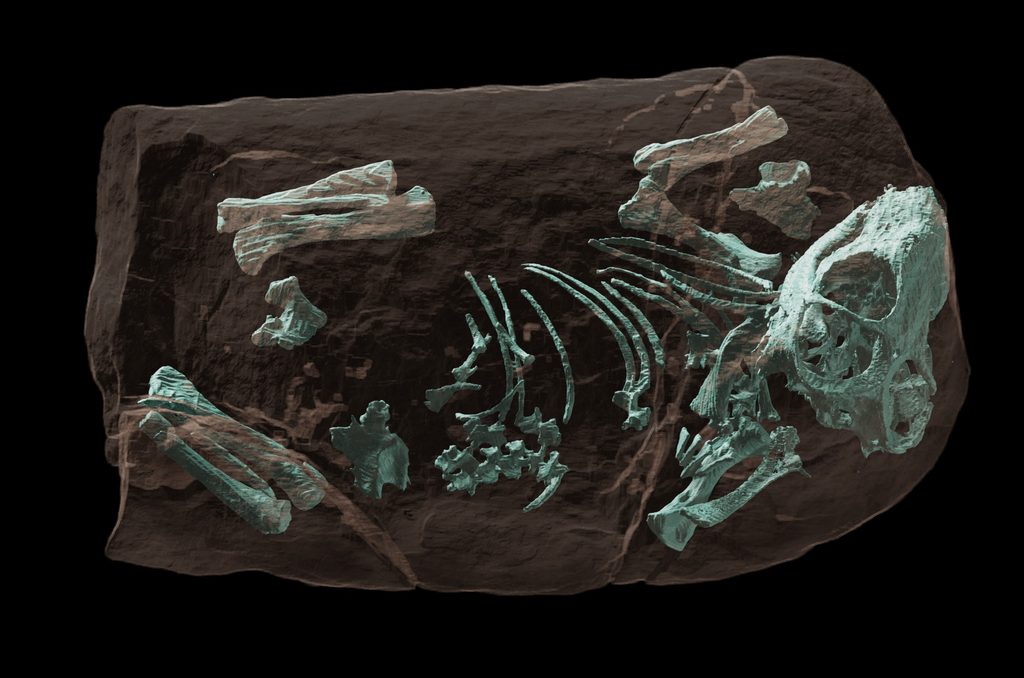
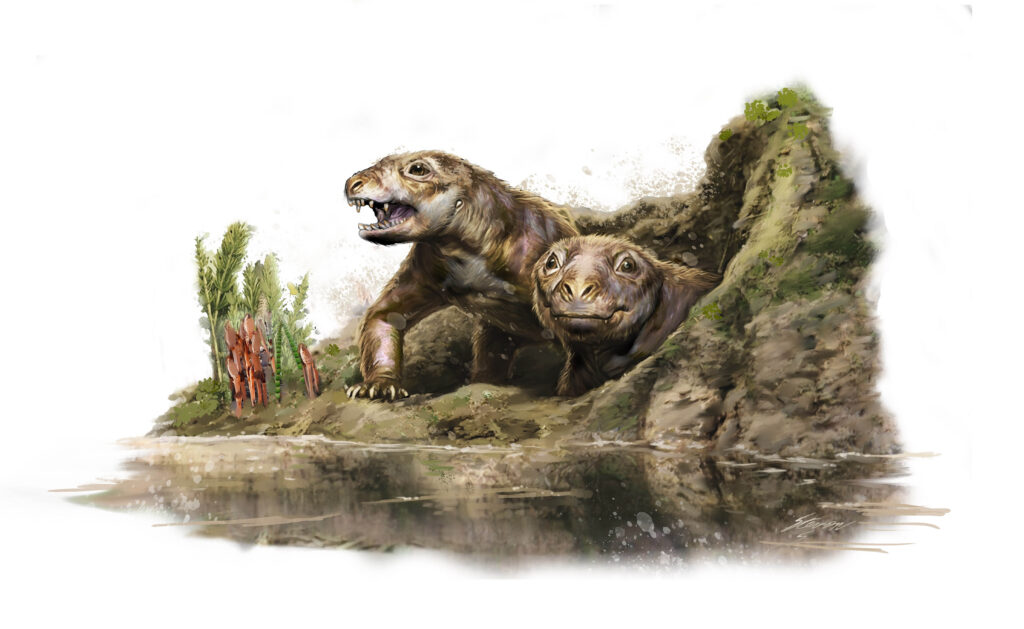
New complete specimen of Microgomphodon preserved inside a burrow. Rendered by Dr Brandon Stuart.
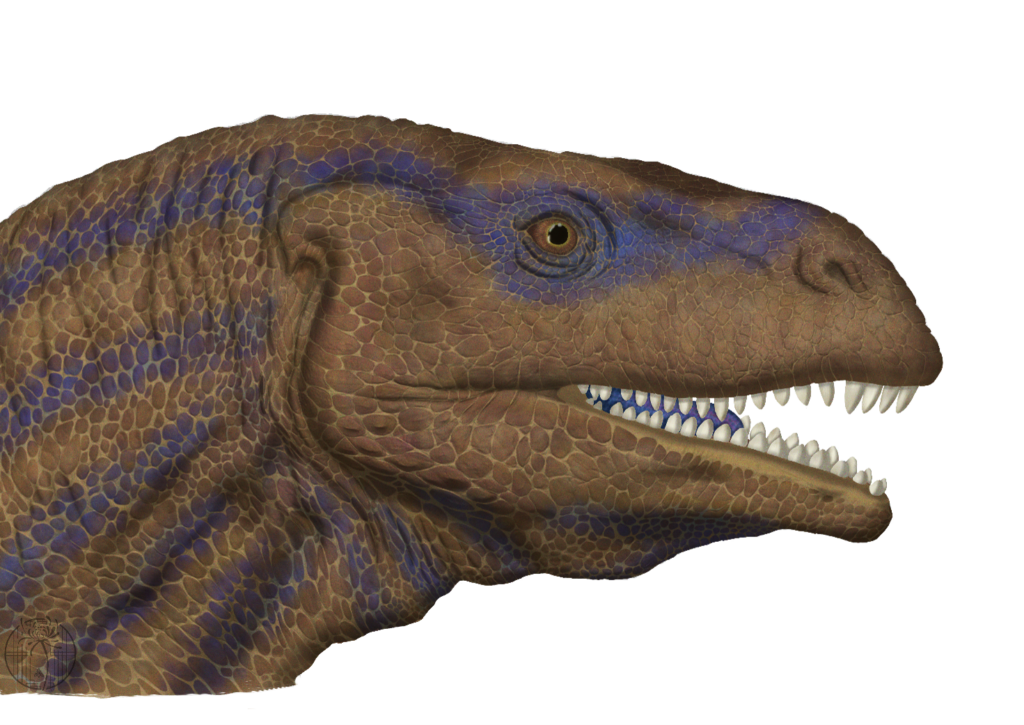
Long before the first true mammals appeared, a small animal called Microgomphodon oligocynus lived in what is now South Africa. Microgomphodon oligocynus belonged to a group of animals called therocephalians, distant relatives of mammals that lived alongside the ancestors of mammals during the Triassic. Although this species has been known to palaeontologists for over 100 years, its anatomy and way of life have remained poorly understood because of the limited number of well-preserved specimens.
Burrowing offers animals several survival advantages such as providing shelter, protection from predators, and refuge from harsh environmental conditions. The evidence suggests that Microgomphodon oligocynus may have used burrows as part of its survival strategy more than 247 million years ago, highlighting the diversity of behaviours that evolved among early mammal relatives.
The study provides one of the most comprehensive accounts of the anatomy and biology of a therocephalian to date. More broadly, it demonstrates how exceptionally preserved fossils can reveal aspects of behaviour and ecology that are rarely captured in the fossil record, helping us reconstruct the diversity of life and survival strategies in ancient South African ecosystems.
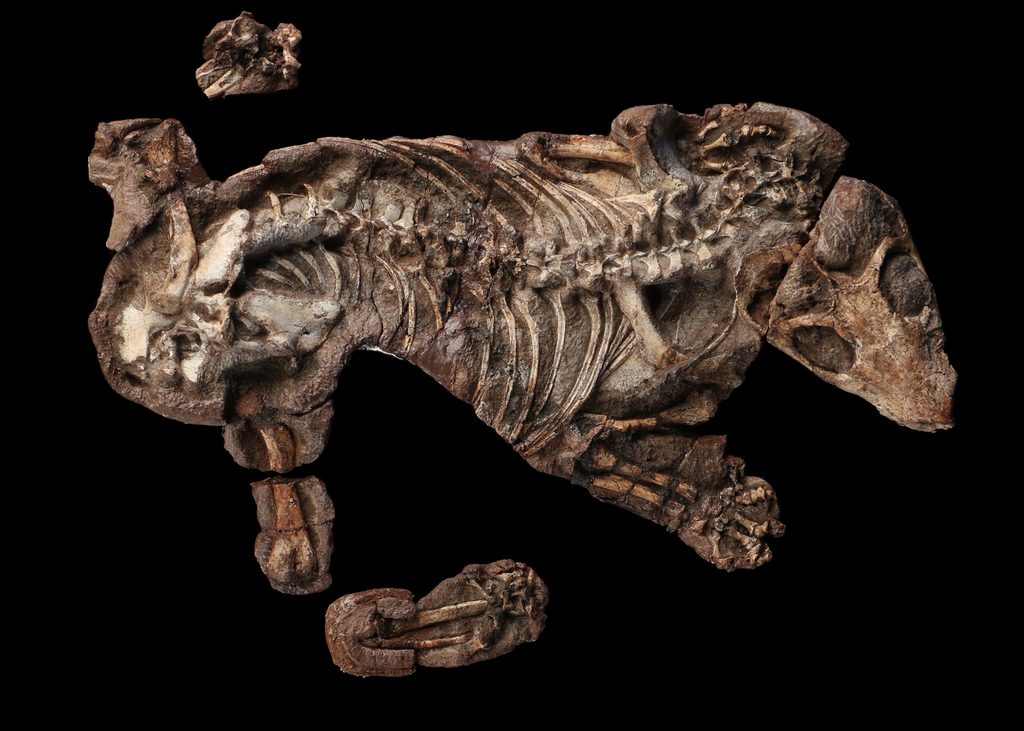
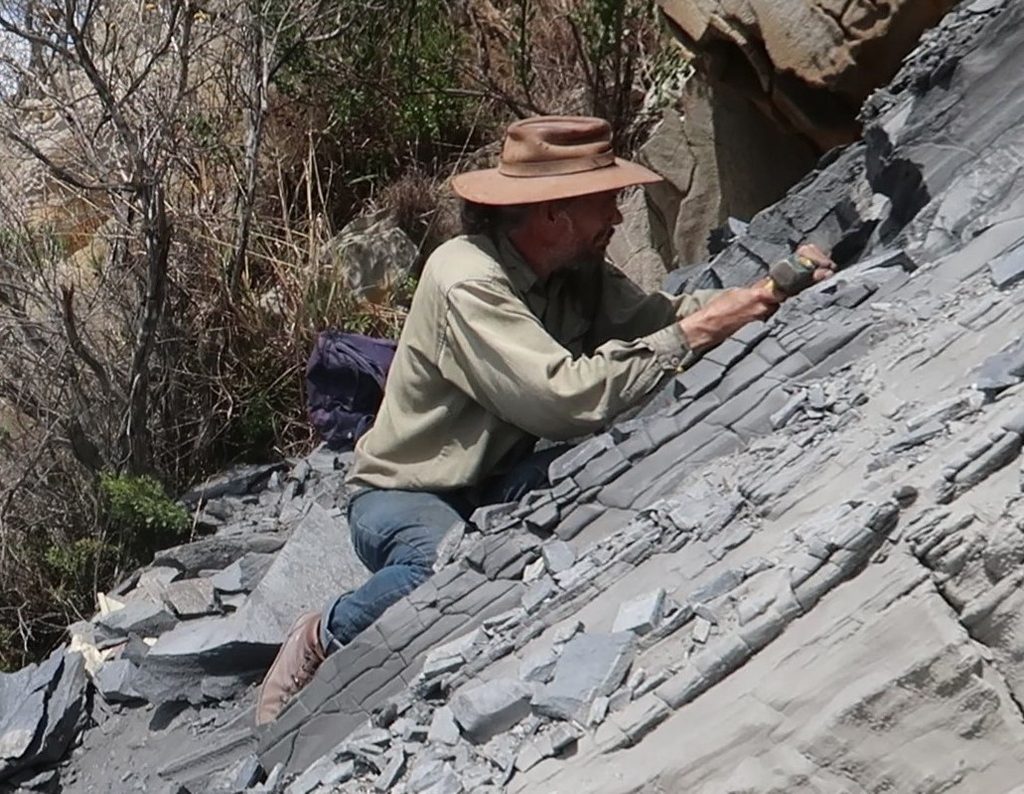
New complete specimen of Microgomphodon. Photograph by Dr Brandon Stuart